

Precision Agriculture Powered by AI — Every Acre Optimized
Agriculture faces an unprecedented challenge: feed a growing population while using fewer resources and reducing environmental impact. We build AI systems that turn field data — soil sensors, satellite imagery, weather patterns, drone footage — into precise, per-square-meter actions that increase yield and reduce waste.
01Challenges
Industry challenges
 01
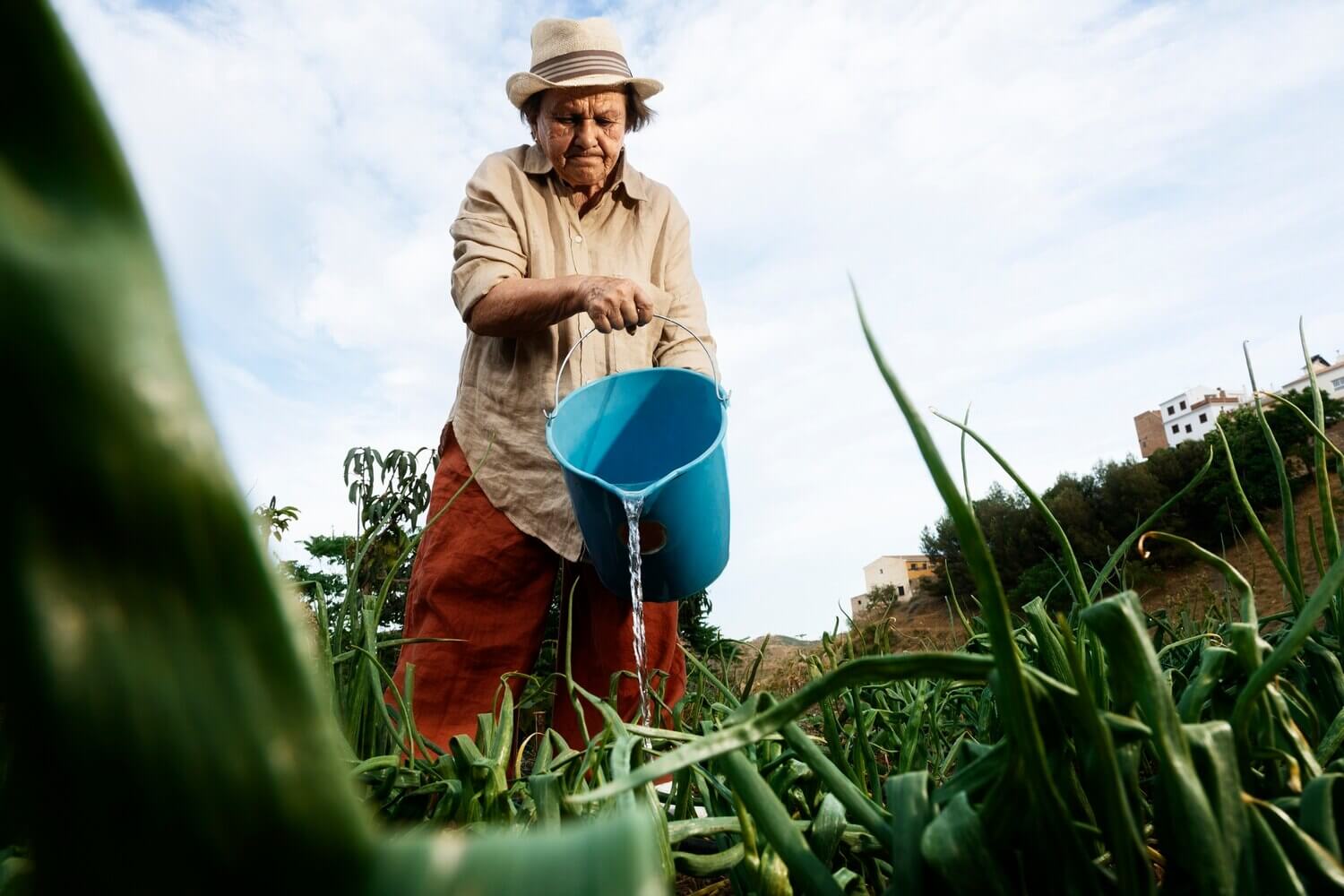
Uniform treatment wastes resources
Most farms irrigate, fertilize, and treat every square meter the same, despite massive variability in soil composition, moisture, nutrients, and pest pressure within a single field. Precision agriculture can't happen without per-plant or per-zone intelligence.
 02
Disease detected too late to act
By the time crop disease is visible to the human eye, the plant has been infected for 7–14 days. Early detection (when treatment is cheaper, more effective, and requires fewer chemicals) demands technology that sees what humans can't.
 03
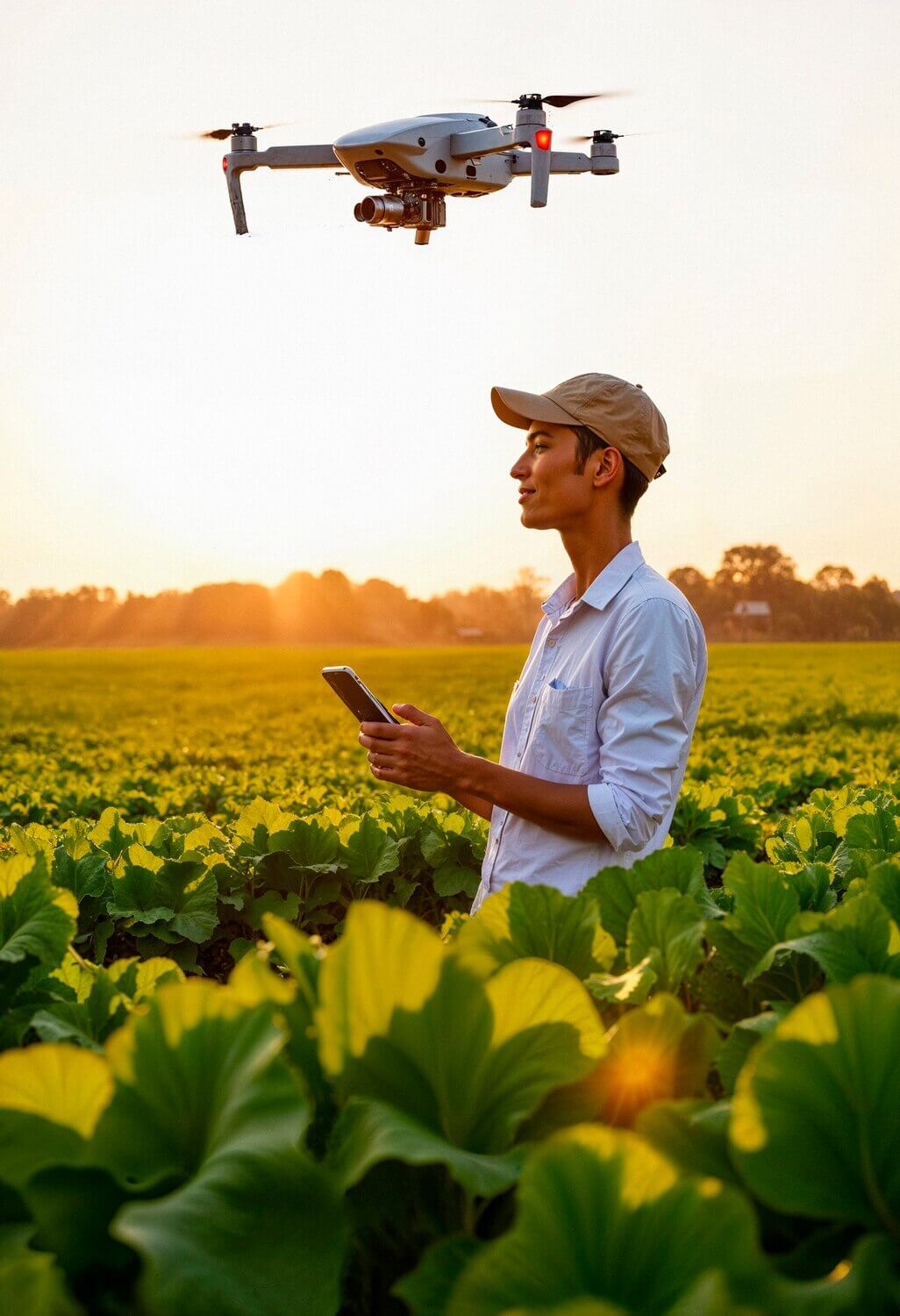
Supply chain traceability is still paper-based
Tracking produce origin, handling conditions, certifications, and chain of custody remains heavily manual. Consumers, regulators, and retailers increasingly demand verifiable transparency and paper records don't scale.
 04
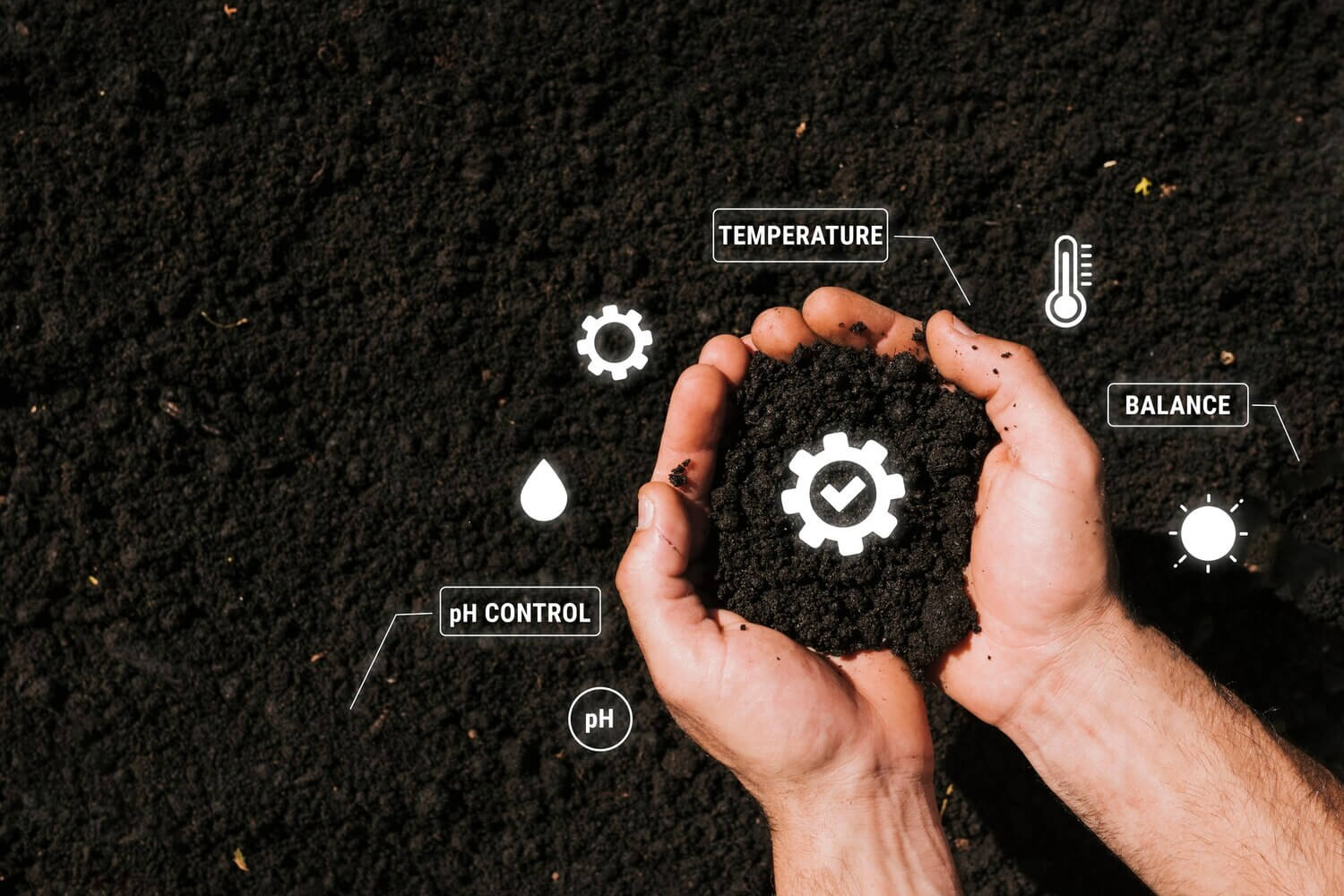
Agricultural labor is increasingly scarce
Farm labor pools are shrinking while costs rise. Automation isn't optional, it's a survival strategy. AI-powered systems that reduce manual scouting, monitoring, and decision-making are becoming essential for operational continuity.
 05
Climate volatility demands adaptive operations
Unpredictable weather patterns, shifting growing zones, and extreme events make traditional farming calendars obsolete. Operations need real-time, predictive intelligence to adapt to conditions that change by the day.


02Solution
How we solve it
- 01
Precision irrigation management
ML models that combine soil moisture sensors, weather forecasts, evapotranspiration data, and satellite imagery to recommend exactly where, when, and how much to irrigate, at the zone or plant level, reducing water usage by 25–35%.
- 02
AI-Powered crop health monitoring
Computer vision models trained on multispectral drone and satellite imagery that detect disease, nutrient deficiencies, and pest pressure 7–14 days before visible symptoms, enabling early, targeted intervention with minimal chemical inputs.
- 03
Yield prediction & harvest optimization
AI models that predict yield quantity, quality, and optimal harvest timing by integrating historical data, current field conditions, weather forecasts, and crop growth models, enabling better logistics, labor planning, and market positioning.
- 04
Supply chain traceability platform
Blockchain-backed traceability systems with AI-verified data capture from field to fork, tracking origin, growing conditions, handling, certifications, and cold chain integrity with tamper-proof records accessible to all stakeholders.
- 05
Farm operations intelligence platform
Unified dashboard integrating all field data sources (sensors, drones, satellites, equipment telemetry, weather) with AI-powered recommendations for daily operational decisions across irrigation, fertilization, pest management, and labor allocation.
03Areas of application
Where does AI create impact in this sector?
Concrete use cases we have delivered across functional areas within this industry.
Crop management
- Precision irrigation scheduling at zone and plant level
- Variable-rate fertilization based on soil and crop needs
- Early pest and disease detection with multispectral imaging
- Weed identification and targeted treatment recommendations
Supply chain & traceability
- Yield and quality forecasting for market planning
- Cold chain monitoring with anomaly detection
- Blockchain-based provenance and certification tracking
- Automated quality grading with computer vision
Farm operations
- Harvest timing optimization using yield prediction models
- Equipment maintenance prediction from telemetry data
- Labor allocation and task planning based on field conditions
- Weather-adaptive operational decision support
Ready to bring AI-powered precision to your operation?
We'll evaluate your current data collection, sensor infrastructure, and operations, then identify the highest-ROI AI opportunity you can deploy within a single growing season.