

Supply Chains That Predict, Adapt, and Optimize Themselves
Modern supply chains span continents, involve dozens of partners, and generate terabytes of data daily. Spreadsheets and static plans can't keep up. We build AI systems that predict disruptions before they cascade, optimize routes in real time, and automate the document processing that slows everything down.
01Challenges
Industry challenges
 01
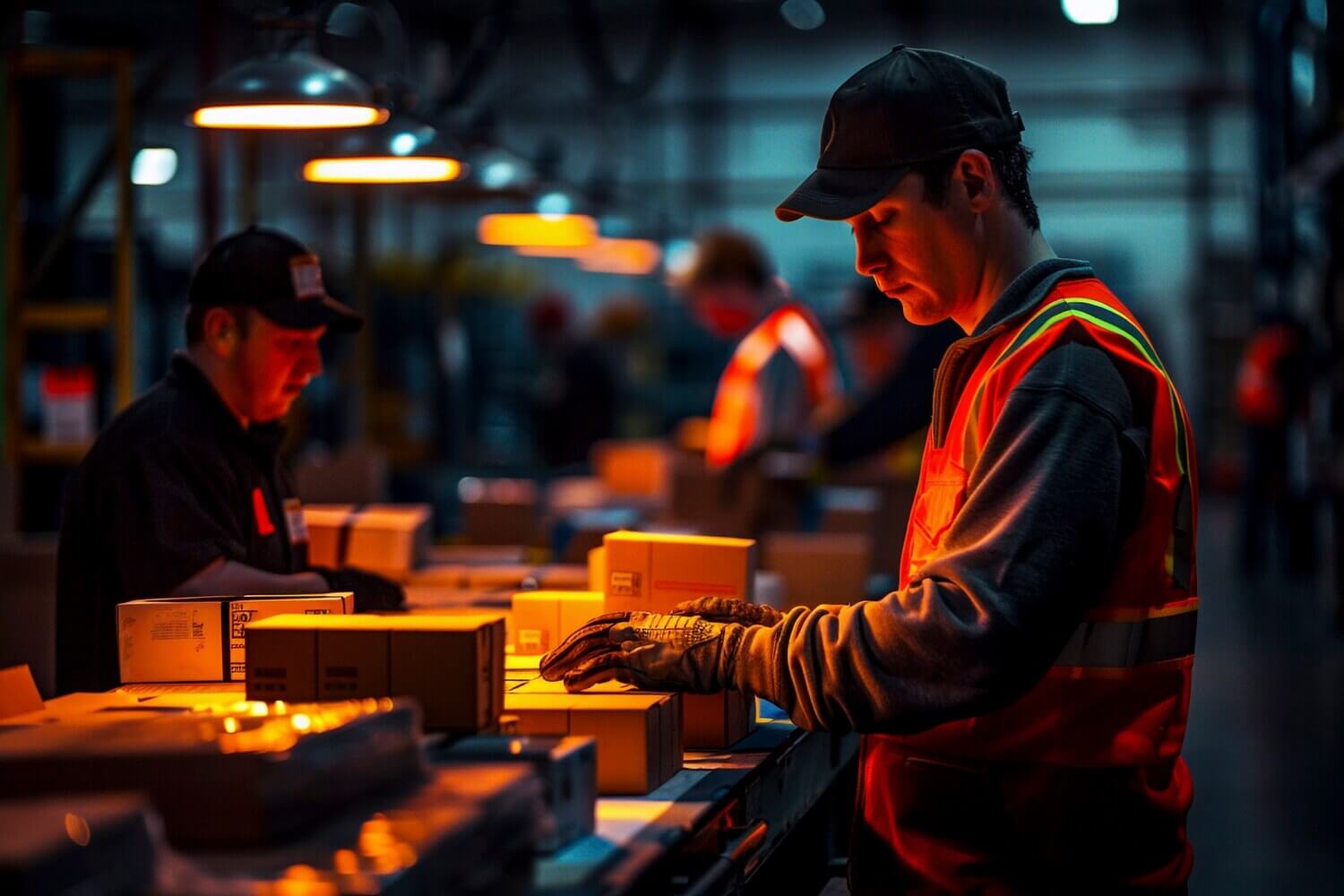
Disruptions discovered too late to prevent impact
Most supply chains operate reactively, discovering port closures, supplier delays, weather events, and capacity shortages when they've already disrupted operations. By then, the only option is expensive damage control: expedited shipping, production downtime, or missed customer commitments.
 02
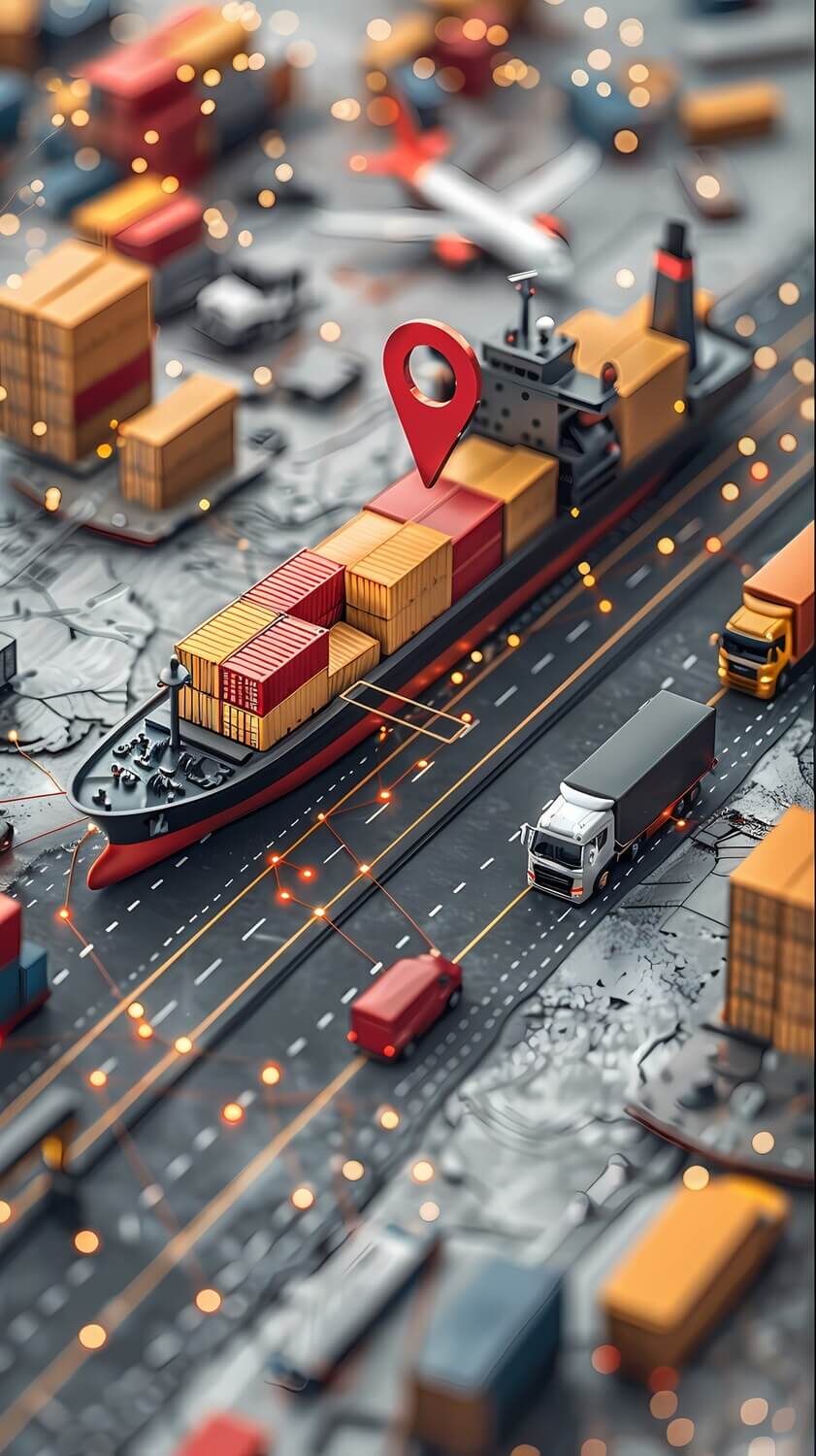
Static routing leaves massive savings unrealized
Route plans designed days or weeks in advance can't adapt to real-time conditions: traffic, weather, last-minute orders, driver availability. Dynamic routing at scale requires continuous optimization across thousands of variables that only AI can process in real time.
 03
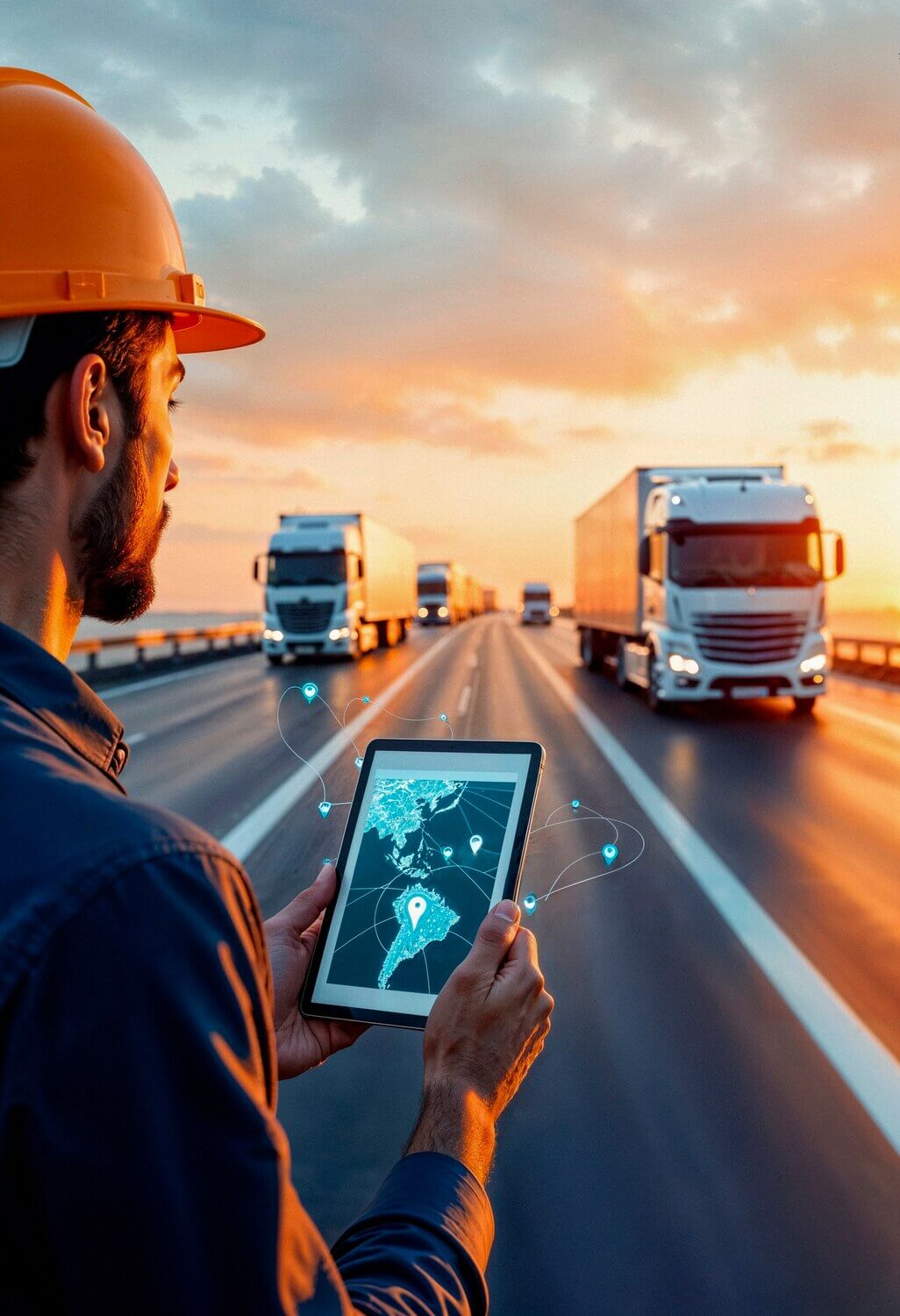
Forecast errors cascade and amplify
A 10% demand forecast error at the retail level becomes a 30% error at the distribution level and 50% at the manufacturing level. These amplified errors create the bullwhip effect: excess inventory upstream, stockouts downstream, and wasted capacity throughout.
 04
Document processing is a hidden bottleneck
Bills of lading, customs declarations, commercial invoices, and delivery confirmations still require manual data entry at multiple touchpoints across the supply chain. Each manual touchpoint introduces delays, errors, and operational cost that compounds across every shipment.
 05
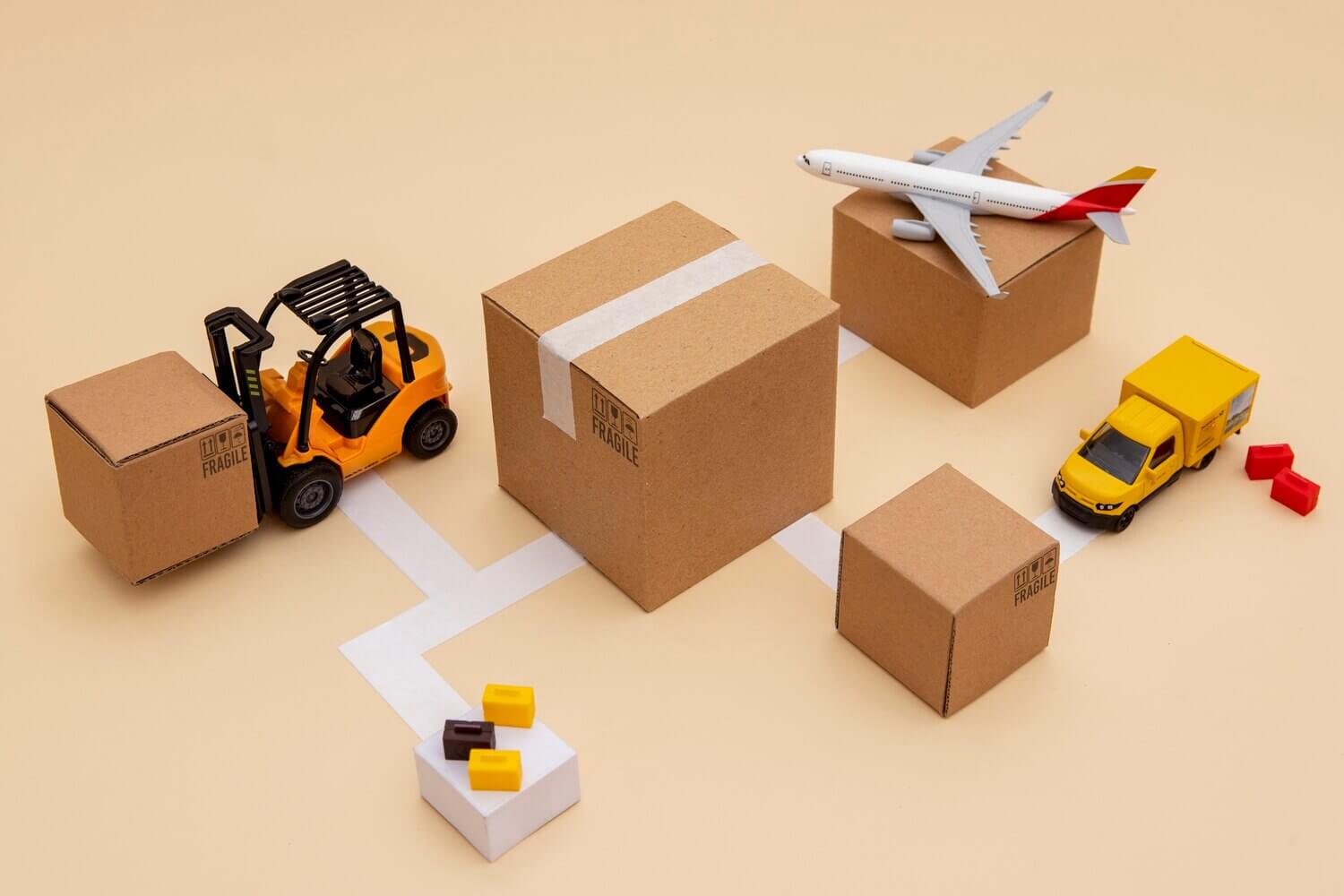
End-to-end visibility is still aspirational for most
Different systems (TMS, WMS, ERP, carrier portals) hold different pieces of the puzzle. Without unified visibility, decisions are made with partial information, and exceptions are caught too late to prevent service failures.


02Solution
How we solve it
- 01
Predictive disruption intelligence
AI models that continuously monitor weather patterns, port and terminal conditions, carrier performance, geopolitical events, and supplier health signals, predicting disruptions 24–72 hours in advance and recommending preemptive actions.
- 02
Dynamic route & load optimization
Real-time optimization engines that continuously re-optimize routes, loads, and driver assignments based on traffic, weather, delivery windows, and new orders, reducing miles driven, fuel consumption, and late deliveries simultaneously.
- 03
Multi-Echelon demand forecasting
ML models that forecast demand at every node in the supply chain, from retail shelf to DC to factory, incorporating promotions, seasonality, product lifecycles, and external demand signals to eliminate the bullwhip effect.
- 04
Intelligent document processing
OCR and NLP pipelines that automatically extract, validate, and ingest data from logistics documents (bills of lading, customs forms, PODs, invoices) into your TMS, WMS, and ERP, eliminating manual data entry and processing delays.
- 05
Supply chain control tower
Unified visibility platform connecting all supply chain systems and partners into a single real-time operational picture, with AI-powered exception detection, alerting, and recommended response actions for every supply chain role.
03Areas of application
Where does AI create impact in this sector?
Concrete use cases we have delivered across functional areas within this industry.
Transportation & fleet
- Real-time dynamic route and load optimization
- Carrier performance analytics and scorecarding
- Last-mile delivery optimization with time window constraints
- Fuel consumption and emissions optimization
Planning & network design
- Multi-echelon demand forecasting and inventory optimization
- Supplier risk monitoring and early warning
- Network design and flow path optimization
- S&OP process augmentation with AI scenario modeling
Warehouse & distribution
- AI-powered slotting optimization and picking path planning
- Labor forecasting and shift optimization
- Automated receiving and putaway workflows
- Cross-dock coordination and scheduling
Ready to bring AI into your supply chain?
We'll analyze your logistics data, systems, and current pain points, then identify the AI opportunity with the fastest payback and clearest implementation path.